Touchscreen Latency Impacts on Real-Time Decision Making in Mobile Live Gaming Platforms
Écrit par Klara Peters · 13/11/2026
Touchscreen Latency Impacts on Real-Time Decision Making in Mobile Live Gaming Platforms
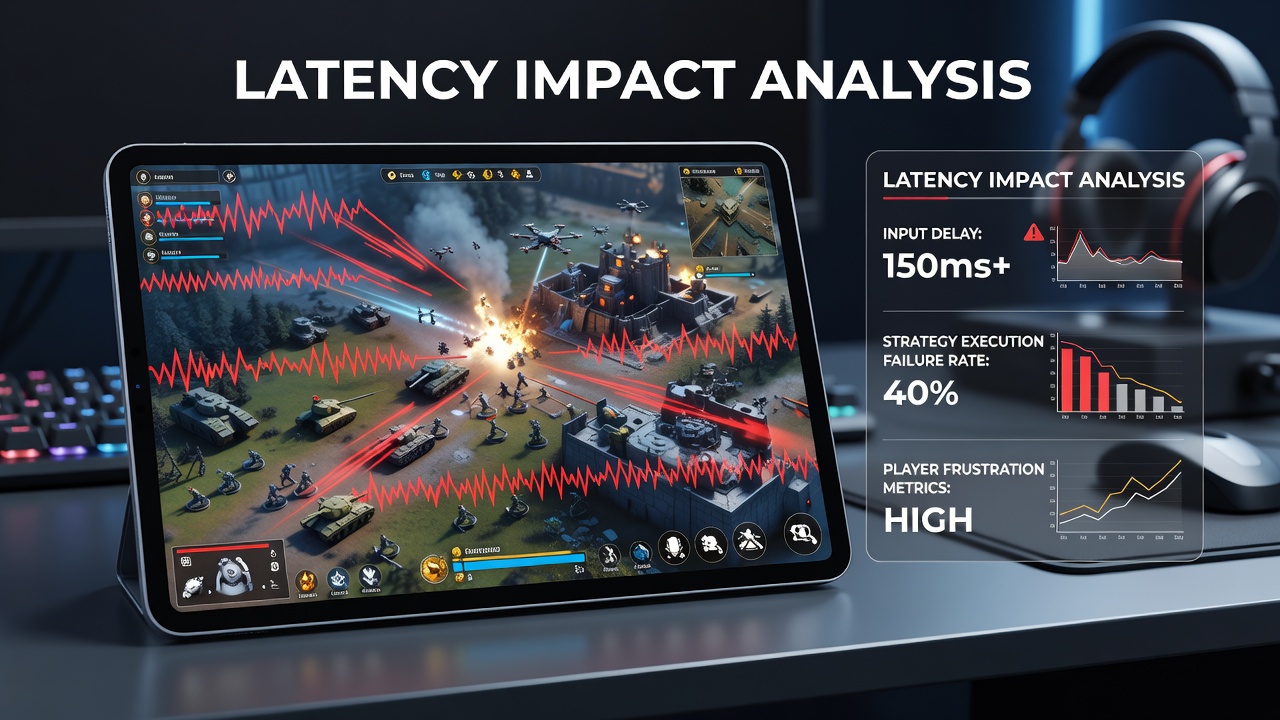
Touchscreen latency refers to the measurable delay between a user's physical input on a mobile device screen and the corresponding system response, and researchers have documented how this interval disrupts timing-dependent actions in portable live gaming environments where participants must execute strategies in synchronization with ongoing events. Data from human-computer interaction studies show that even delays as small as 50 milliseconds can alter the sequence of decisions required in games that demand precise timing, while longer lags exceeding 150 milliseconds compound the issue by forcing players to adjust their approaches mid-session.
Defining Input Lag in Portable Devices
Portable devices process touch inputs through layers of hardware sensors, software interpreters, and network transmissions, and each stage introduces potential points where response times extend beyond the instantaneous feedback users expect. Engineers measure these delays using standardized benchmarks that track the interval from finger contact to visual confirmation on screen, and industry reports indicate average latencies in consumer smartphones range from 30 to 120 milliseconds depending on device age, operating system version, and background processes running simultaneously. Observers note that live gaming sessions amplify these effects because participants must align their actions with real-time dealer movements and card reveals transmitted over mobile networks, creating situations where a delayed response shifts the optimal strategy window entirely.
Effects on Strategy Execution During Live Sessions
Strategy execution in live gaming relies on rapid assessment of changing conditions followed by immediate input, yet touchscreen latency interrupts this loop by presenting information after the ideal moment for action has passed. Studies conducted on mobile interaction patterns reveal that participants facing higher latency levels tend to adopt more conservative approaches, such as holding positions longer than planned or skipping opportunities that require split-second confirmation, and these behavioral shifts occur consistently across different device models tested under controlled conditions. Those who have examined session logs from portable platforms find that latency spikes often coincide with increased error rates in sequences involving multiple consecutive touches, like adjusting bet amounts or selecting options in quick succession during a single round.
Network variability adds another layer because live feeds must synchronize visual updates with server-side game states, and any mismatch between local input processing and remote confirmation creates additional friction. Figures from telecommunications research show that 4G and early 5G connections in urban areas maintain average round-trip times around 40 milliseconds, but congestion or signal handoffs can push totals higher and compound existing touchscreen delays. People who track performance metrics across sessions report that devices with optimized touch sampling rates above 120 Hz demonstrate fewer instances of missed inputs compared to standard 60 Hz panels, highlighting hardware differences that influence overall execution accuracy.
Research Findings on Timing Sensitivity
Academic investigations into mobile gaming interfaces have quantified how latency thresholds affect decision accuracy, and one analysis from the University of Melbourne's interaction design lab demonstrated that strategy adherence drops measurably once delays surpass 80 milliseconds in time-sensitive scenarios. University of Melbourne interaction design research tracked participant performance across repeated trials and found compensatory behaviors emerging within minutes of exposure to inconsistent response times. Additional data compiled by Canada's National Research Council on portable computing interfaces confirms similar patterns, noting that users develop anticipatory adjustments that sometimes overcorrect and produce new errors in subsequent rounds.
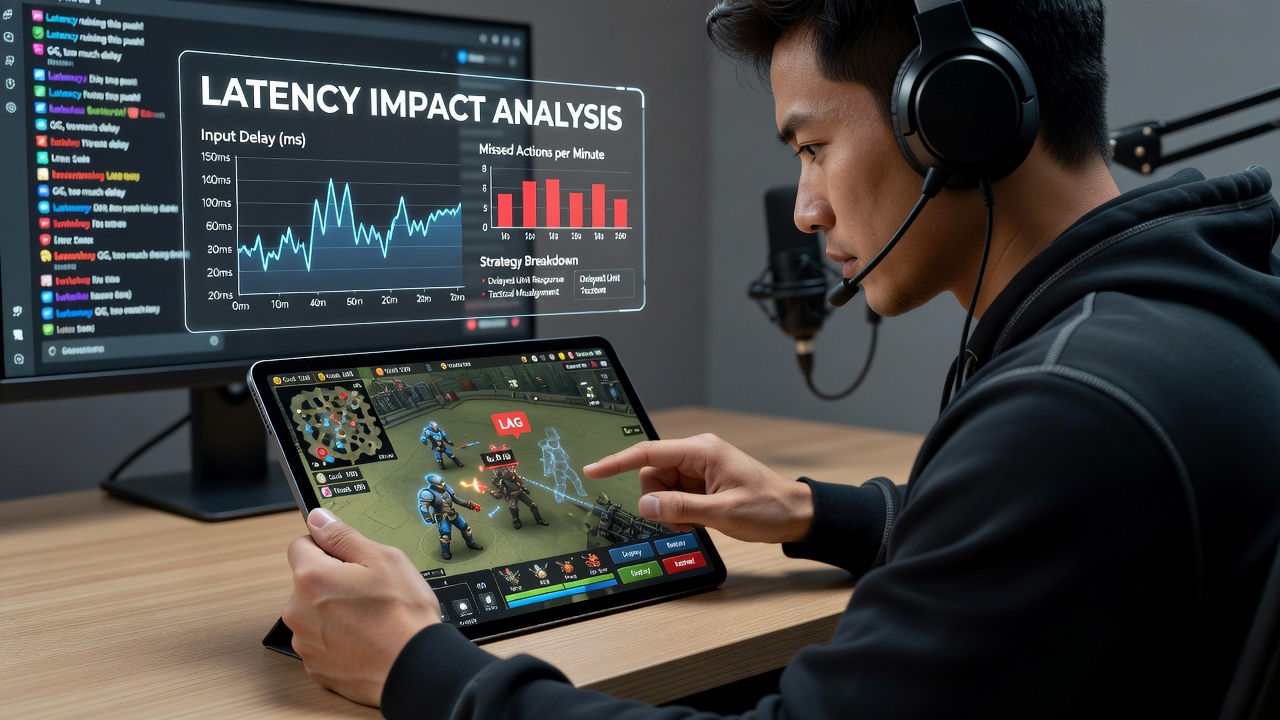
November 2026 projections from hardware development roadmaps suggest that upcoming chipset releases will incorporate dedicated touch processing units capable of reducing baseline latency below 20 milliseconds on mid-range devices, and early prototypes tested in laboratory settings already show improved synchronization between input and game state updates. These advancements matter because they address both local device processing and the integration with variable network conditions that characterize portable live sessions.
Device and Network Variables at Play
Screen technology choices influence outcomes because capacitive touch layers paired with higher refresh rates handle rapid successive inputs more reliably than older resistive designs still present in some budget models. Software optimization plays an equal role since operating system updates frequently include refinements to touch prediction algorithms that anticipate user intent and pre-render responses, thereby masking some hardware limitations. Those monitoring field tests observe that players using the same game application on different handsets experience noticeable differences in how strategy sequences unfold, particularly during periods of high activity when multiple visual elements update at once.
Environmental factors such as screen protectors, case materials, and even hand moisture levels introduce further variability in touch detection precision, and laboratory measurements confirm these elements can add between 10 and 40 milliseconds to measured response times. Network providers continue to deploy edge computing resources that shorten the distance between mobile clients and game servers, yet coverage gaps remain in rural regions where latency becomes more pronounced and forces greater reliance on predictive strategy adjustments.
Conclusion
Touchscreen latency continues to shape how participants execute strategies in portable live gaming sessions by altering the timing available for input relative to live events, and ongoing hardware and network improvements point toward measurable reductions in these delays over the coming years. Data collected across multiple research initiatives demonstrate consistent relationships between response intervals and decision patterns, while device-specific characteristics determine the extent of any given impact. Continued monitoring of these technical factors provides the factual basis for understanding performance variations observed across different mobile environments.