How Different Funding Options Influence Prize Growth in Smartphone Live Dealer Interactions
Écrit par Sam Schmidt · 30/10/2026
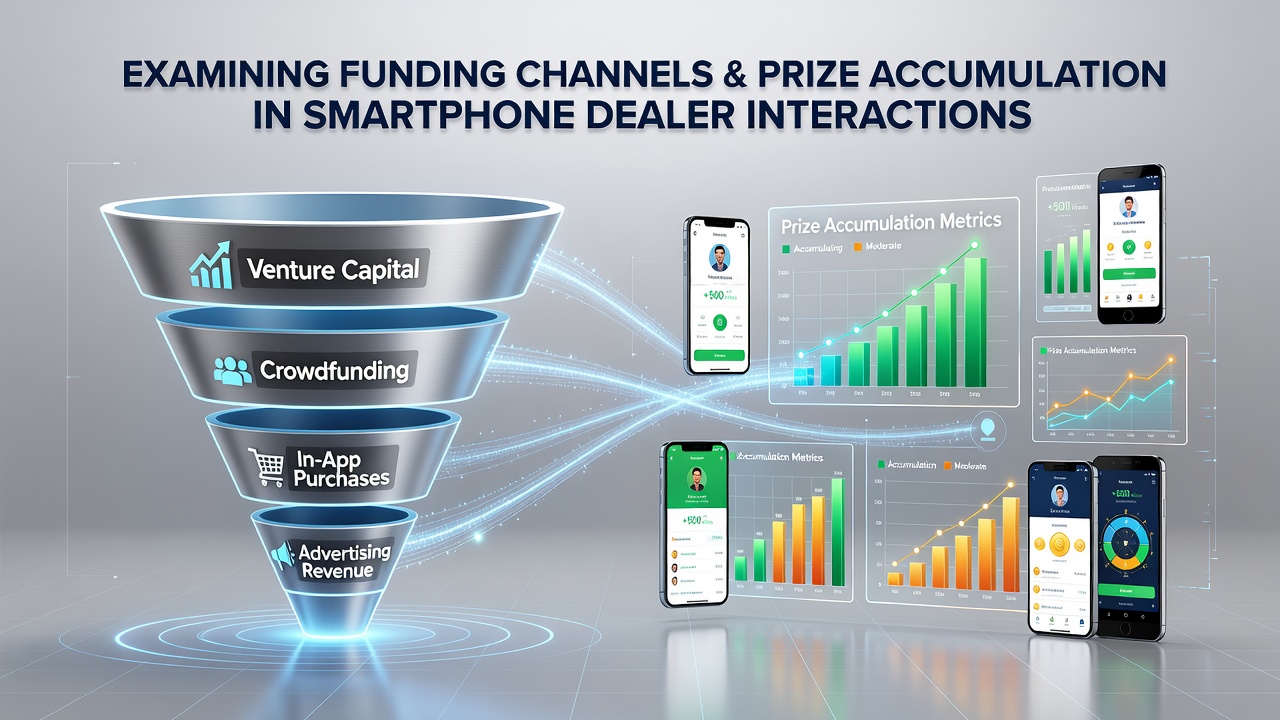
How Different Funding Options Influence Prize Growth in Smartphone Live Dealer Interactions
Payment channels in mobile live dealer environments connect directly to how players build toward larger prize pools and bonus activations, since each method carries distinct processing speeds, fee structures, and verification requirements that shape deposit timing and subsequent play sessions. Research from regulatory bodies across multiple jurisdictions indicates that instant options like certain e-wallets enable quicker entry into high-stakes tables, whereas traditional bank transfers introduce delays that can affect rollover calculations and jackpot eligibility windows.
Core Mechanics of Funding Channels in Mobile Dealer Settings
Smartphone-based dealer interactions rely on seamless fund movement because live games operate in real time, and observers note that even brief interruptions from slower payment processing can reduce the number of hands played within a promotional period. Data from industry reports shows e-wallet transactions often clear within seconds, allowing immediate credit to player accounts, while credit card deposits may require additional authentication steps that extend the timeline by several minutes. These differences matter when players chase accumulating prizes that depend on continuous participation, since missed rounds translate into lower contribution rates toward progressive jackpots or bonus triggers.
Another layer involves transaction fees that some channels impose, and those costs can erode the effective deposit amount available for wagering. Studies conducted in European markets reveal that players using fee-free methods retain higher balances for extended sessions, which in turn supports steadier accumulation toward prize thresholds. Yet methods carrying percentage-based charges reduce the starting capital, limiting the volume of bets placed before funds run low.
Processing Times and Their Effect on Jackpot Pathways
Live dealer platforms on mobile devices frequently tie jackpot activation to minimum play volumes completed within set timeframes, and funding speed becomes a decisive factor in meeting those benchmarks. When deposits arrive instantly, participants gain full access to tables without waiting periods, whereas slower channels force strategic timing adjustments that may push sessions outside optimal windows. Figures released by the New Jersey Division of Gaming Enforcement highlight how verification protocols tied to certain bank-linked methods add layers of review that delay fund availability by up to 48 hours in some cases.
Observers tracking player behavior across platforms report that users who select cryptocurrency options often bypass traditional verification bottlenecks, enabling faster transitions from deposit to active play. This speed advantage proves significant during limited-time promotions where prize pools grow with collective wagering activity, because quicker entry allows individuals to contribute more hands before cutoffs arrive.

Regulatory Influences on Payment and Prize Linkages
Regulatory frameworks in regions such as Australia and parts of North America impose standards on payment processing that indirectly shape prize accumulation pathways. The Australian Communications and Media Authority has documented how mandatory cooling-off periods attached to certain deposit methods create mandatory pauses between funding and play, which can interrupt momentum in live dealer sequences. These pauses become relevant when jackpot meters advance rapidly during peak hours, since delayed players miss the opportunity to participate in the fastest growth phases.
Additional rules around anti-money laundering checks require enhanced verification for larger deposits, and those requirements vary by channel. Bank transfers typically trigger more stringent reviews than prepaid vouchers, leading to extended approval times that affect how quickly accumulated wagers count toward prize eligibility. Industry associations note that platforms responding to these rules have begun offering channel-specific guidance to help users select methods aligned with their session goals.
Emerging Patterns Observed in October 2026 Data
Market analyses compiled through the first half of 2026, with updates projected for October, indicate a measurable shift toward hybrid funding models that combine instant e-wallet access with layered loyalty incentives. These models reward users who maintain consistent deposit patterns across multiple channels, and teh resulting bonus multipliers directly boost the effective prize accumulation rate per wager placed. Research indicates that players leveraging such combined approaches record higher average contributions to shared prize pools compared with single-channel users.
Platform operators have also introduced channel-specific cashback structures in several regulated markets, where refunds on fees or partial returns on deposits apply differently depending on the selected method. This development alters the net cost of participation and influences how players calculate the volume of play needed to reach target prize levels.
Conclusion
Varied funding channels create measurable differences in how quickly and efficiently players can position themselves for prize accumulation within smartphone live dealer environments, since processing speed, fees, and verification demands each interact with platform rules governing bonuses and jackpots. Regulatory updates scheduled for review in October 2026 are expected to refine these interactions further, particularly around verification timelines and cross-border payment standards. Those who monitor channel performance alongside game mechanics gain clearer insight into optimizing their approach to sustained reward building.